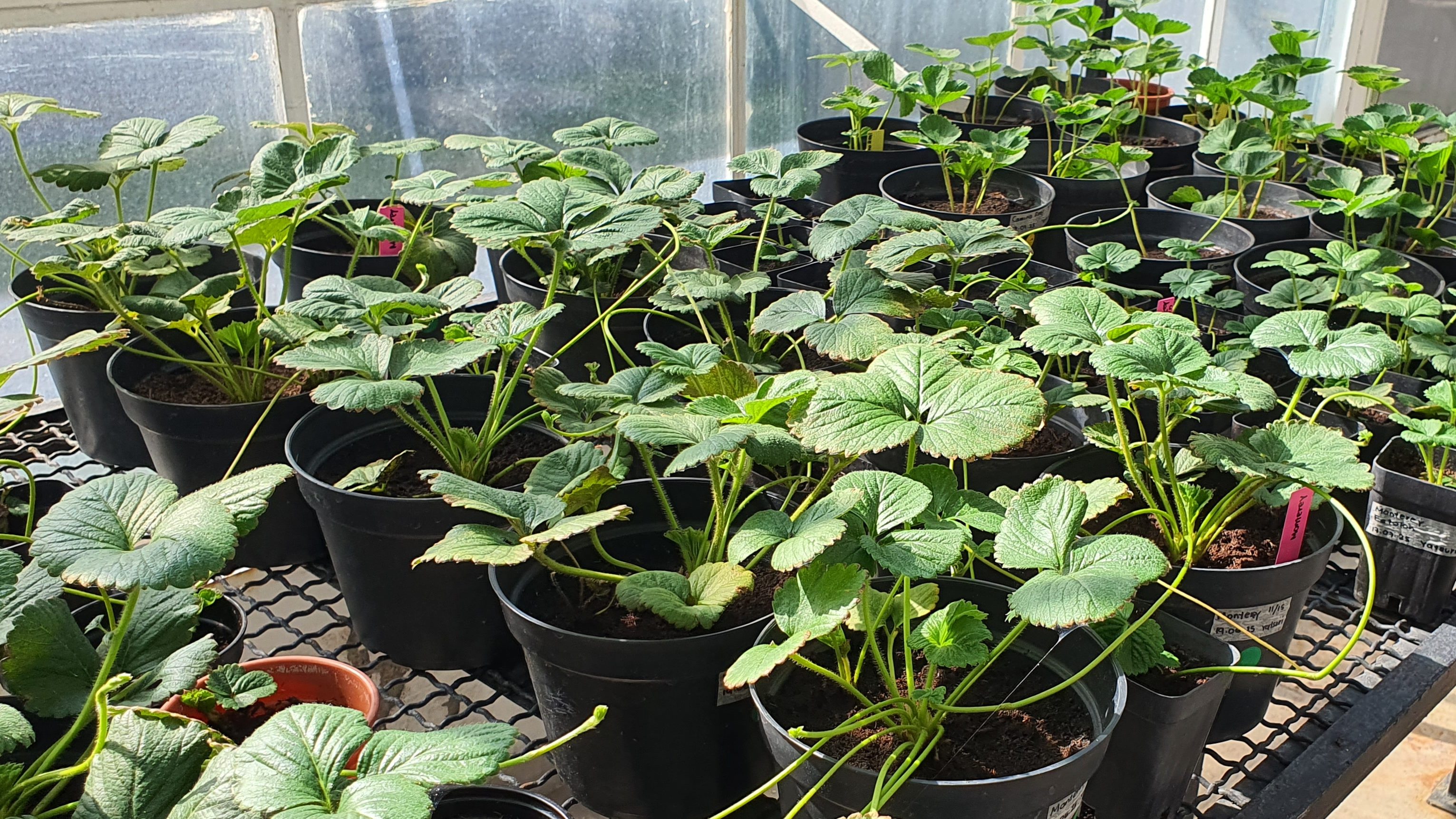
We leverage cutting-edge genomics to identify genes that enhance the resilience of crop plants to stress
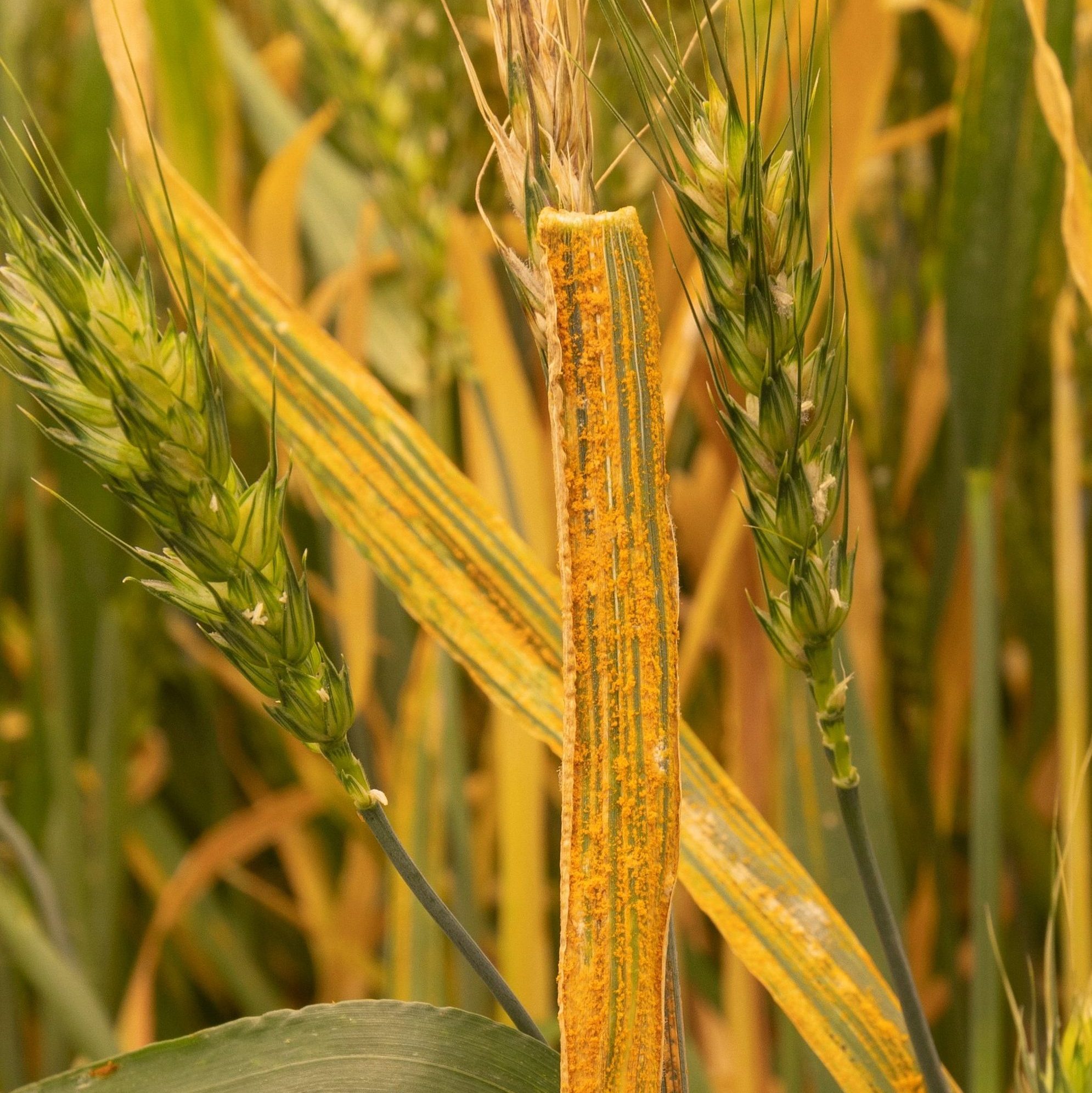
Wheat Rust Resistance
Wheat is one of the world’s three most important staple food crops, accounting for around 20% of people’s daily calorie intake worldwide. However, pests and diseases pose a significant threat to wheat production. They account for an astonishing 62 million tons of yield loss each year, hindering efforts to increase annual crop production and meet the demands of a growing human population. One of the major threats to wheat production is rust diseases, which are caused by obligate biotrophic fungal pathogens belonging to the genus Puccinia. They cause an estimated total annual yield loss of up to 19.2 million metric tons. Three types of rust disease affect wheat crops worldwide: leaf rust (Lr), stem rust (Sr) and stripe rust (Yr). Genetic resistance, mediated by disease resistance genes in the host plant, is the most sustainable way to manage rust diseases. To date, over 230 rust resistance (R) genes have been genetically identified in wheat and its wild relatives. However, only around 25% of these genes have been characterised at the sequence level. Wild relatives of wheat are a valuable source of resistance genes. Over 40% of known wheat disease resistance genes have been derived from these species. Nevertheless, a significant challenge in utilising certain R genes is their suppression when transferred from wild relatives to specific modern wheat cultivars. The molecular mechanism behind this suppression remains to be elucidated. Our aim is to evaluate diverse wheat and wild relative germplasm to identify sources of rust resistance and genotypes that harbour suppressors of R genes originating from wild relatives. The large, complex genomes of both wheat and its wild relatives hinder gene cloning efforts. We intend to utilise advances in genomics, such as long-read genome sequencing, to clone more resistance genes and suppressors.
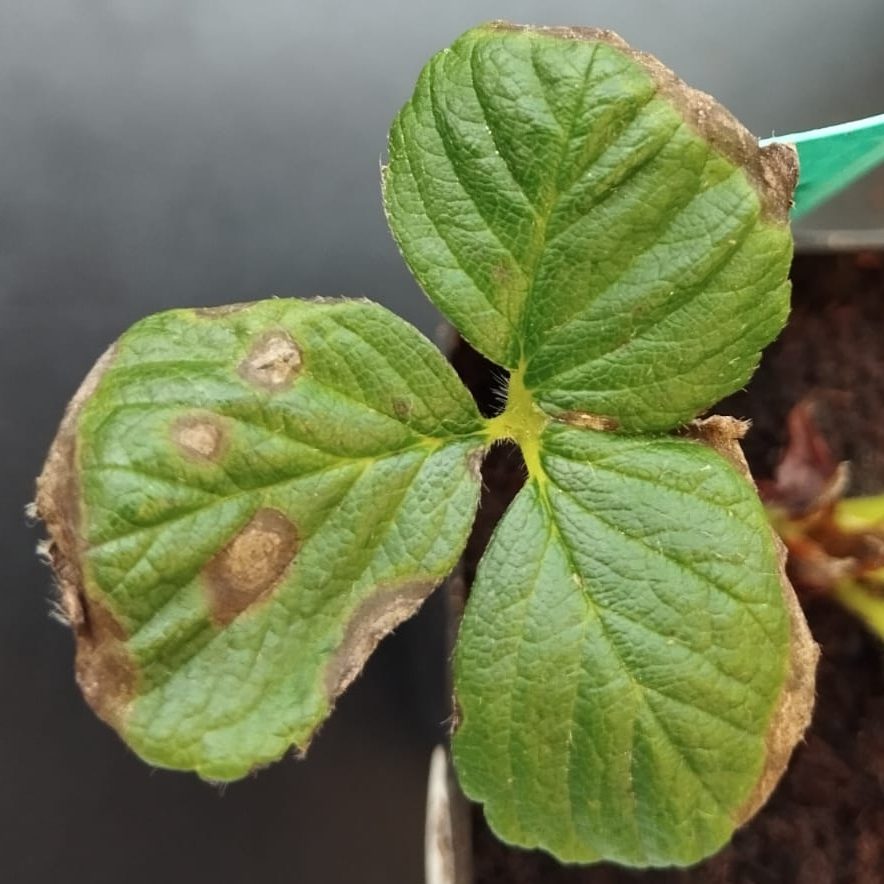
Resistance to fungal pathogens in strawberry
Strawberries are one of the world’s most popularly consumed berries. It is cultivated on a wide scale for its sweet, aromatic and juicy fruit, which is in high demand. Mexico is a major player in the global strawberry production sector. Large-scale strawberry production in Mexico commenced in 1948 in the vicinity of Irapuato in the state of Guanajuato. At present, Mexico has two primary production regions: Baja California is in the northwest of the country, while the Bajío region encompasses the states of Michoacán, Guanajuato and Jalisco in central Mexico. In recent years, fungal diseases have become a significant concern due to the presence of Macrophomina phaseolina, Fusarium oxysporum f. sp. fragariae, Rhizoctonia fragariae, Neopestalotiopsis rosae, Cylindrocarpon destructans, Verticillium dahliae and oomycetes such as Phytophthora spp. These pathogens are responsible for new outbreaks, leading to significant losses in strawberry production in Mexico and globally. Our team’s objective is to identify novel sources of resistance to these fungal pathogens and to clone and characterise the resistance genes. These genes will then be deployed in the strawberry breeding programs.
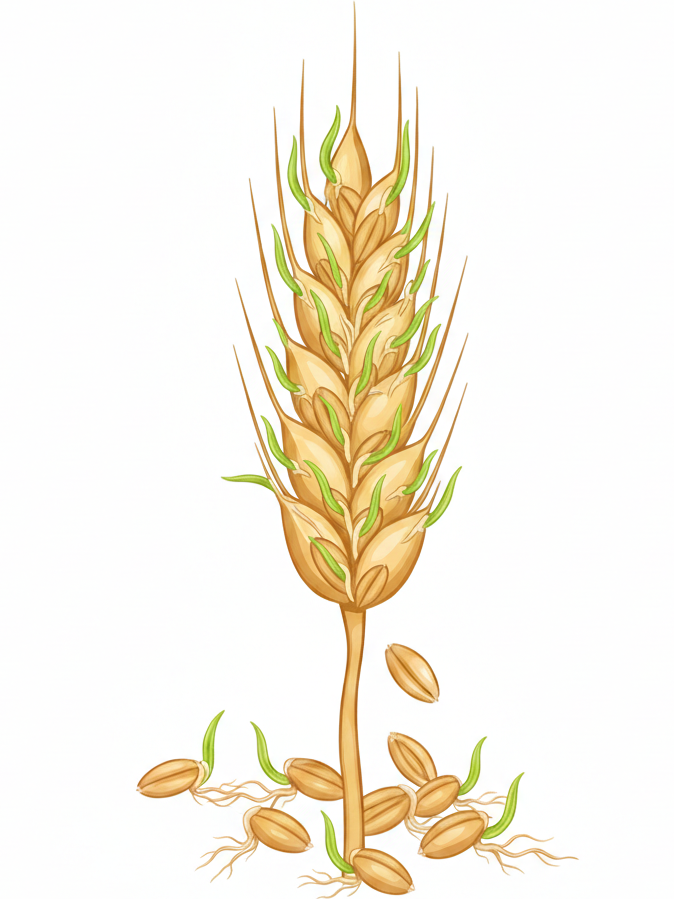
Understanding the mechanism of pre-harvest sprouting
Wheat production faces various challenges, among which pre-harvest sprouting (PHS) is a significant concern in wheat-growing regions worldwide. This occurs when grains at the ripening stage begin to germinate in the spike prior to the harvest. PHS is triggered by prolonged rainfall and high humidity. This can result in a range of issues, including reduced grain quality, poor dough handling, and lower baking qualities. Additionally, it can lead to decreased seed viability, lower flour yield, and a downgrade in market value. Wheat cultivars vary in their sensitivity to PHS, with those exhibiting low dormancy levels being more susceptible. To mitigate the impact of PHS, it is crucial to understand the physiological, genetic and molecular mechanisms that underlie it. The genetic control of PHS resistance in wheat is complex. It involves multiple quantitative trait loci (QTLs), gene expression networks and regulatory pathways. Over the past two decades, approximately 250 QTLs associated with PHS resistance have been identified across all 21 wheat chromosomes. However, to date only eight PHS resistance genes have been successfully cloned and characterised. Therefore, it is crucial to clone more PHS resistance genes to gain a comprehensive understanding of their molecular function and utilise them for PHS resistance in modern wheat.
 The Athiyannan Lab